What Is an Assumable Mortgage? The 2026 Guide for Buyers and Sellers
What Is an Assumable Mortgage? The 2026 Guide for Buyers and Sellers
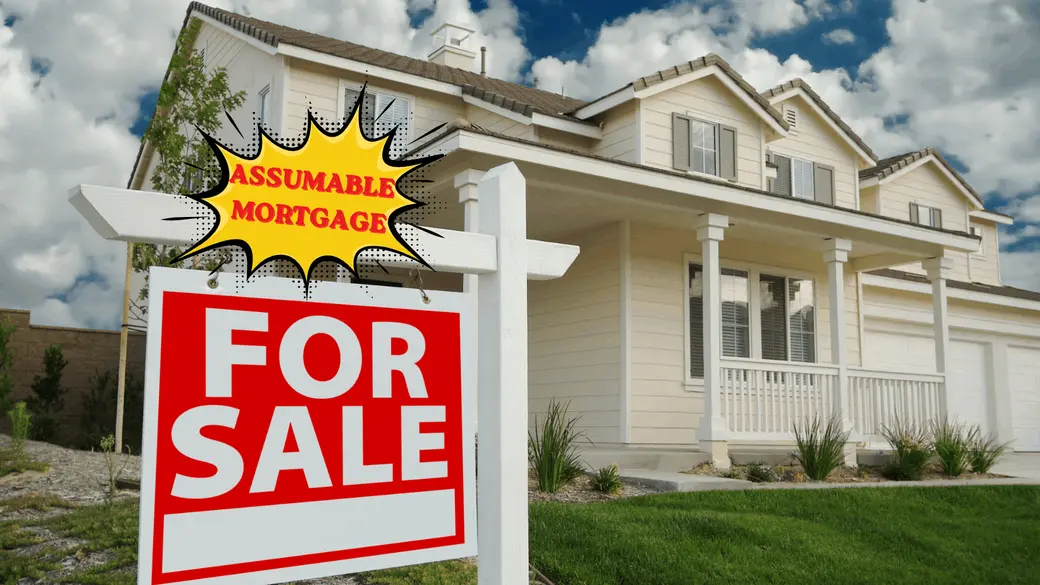
Quick Answer: An assumable mortgage lets a buyer take over a seller’s existing government-backed loan, including its interest rate and remaining balance, instead of taking out a new loan at today’s rate. VA, FHA, and USDA loans are all assumable. With 30-year rates sitting around 6.65% as of late August 2026, buyers who assume a loan originated a few years ago can often lock in a rate 2 to 4 percentage points lower, and sellers walk away with zero ongoing liability once the assumption closes.
Here’s the question I get asked at almost every listing appointment right now: “Wait, someone else can just take over my mortgage?” Yes. And most agents still don’t bring it up, which means most sellers are sitting on a selling point they don’t know they have, and most buyers are walking past a rate they’ll never see again from a new loan.
What Counts as an Assumable Mortgage?
Three loan types are assumable: VA, FHA, and USDA. That’s it. Conventional loans (the ones most people have) are not assumable in almost all cases. So the first question for any seller is simple: what kind of loan do you have? If it’s VA, FHA, or USDA, you have a card to play that your neighbor with a conventional loan doesn’t.
Who Can Actually Qualify to Assume One?
This is where the myths start. People hear “VA loan” and assume you have to be a veteran. Not true.
- Any buyer who meets the standard financial qualifications (credit, income, debt-to-income) for that loan type can assume it.
- Non-veterans, including investors, can assume a VA loan if the selling veteran is willing to leave their entitlement with the property.
- FHA loans have no entitlement requirement at all. Any buyer with a Social Security number, including a resident alien, can qualify if they meet HUD and servicer guidelines.
So the buyer pool for an assumable listing is wider than most people think.
How Much Can a Buyer Actually Save?
This is the number that gets attention. Loans originated in 2020 through 2022 were commonly locked in the 2.5% to 3.5% range. Today’s 30-year rate is hovering around 6.65%. That gap, often 2 to 4 percentage points, is the difference between a payment that works and one that doesn’t for a lot of buyers right now.
- On a $400,000 loan balance, a 3-point rate difference is roughly $700 to $800 less per month, before taxes and insurance.
- That savings compounds over the life of the loan, not just year one.
- It’s also why assumable listings are pulling more showings and, in many cases, stronger offers.
Is This Actually Good for Sellers, or Just Buyers?
Sellers ask me this constantly, usually with some suspicion, because it sounds like a buyer-only perk. It isn’t.
- Assumable listings draw more buyer interest and more competition for the home.
- Homes marketed as assumable often sell faster and net a higher price.
- Sellers get a formal release of liability once the assumption completes. They are never on the hook if the buyer later defaults.
- Buyers know they’re getting something valuable, which gives sellers real leverage on price and terms.
If your loan is assumable and your listing agent isn’t marketing that fact, you’re leaving money and speed on the table.
How Long Does an Assumption Actually Take?
The biggest myth out there is that assumptions drag on for four to six months. They don’t.
- VA guidelines require servicers to complete their review within 45 days of receiving a complete application. Most VA assumptions now close 45 to 60 days after contract ratification.
- FHA assumptions typically close 45 to 75 days after contract ratification.
- Both are longer than a typical 30-day conventional close, but not by nearly as much as people assume, and the rate savings usually make the extra few weeks an easy trade.
What About Down Payment Cash?
Assuming a loan means taking over the remaining balance, not the original purchase price, so buyers often need to bridge the gap between the loan balance and the home’s current value. Second mortgages and purchase-HELOC products designed specifically for assumptions are becoming more common, with terms based on the buyer’s credit and the amount needed. This is a conversation worth having with a lender early, not after you’ve fallen in love with a listing.
Bottom Line
Assumable mortgages aren’t a loophole or a gimmick. They’re a real, government-sanctioned path to a lower rate for buyers and a faster, cleaner sale for sellers, and most of the market still isn’t paying attention to it. That’s an advantage for anyone who understands how it works before everyone else catches on.
If you want to know whether your current mortgage, or a home you’re eyeing, is assumable, send me the loan type and I’ll walk you through exactly what it would look like.
FAQ
Can anyone assume a VA loan, even if they’ve never served? Yes. Any qualified buyer can assume a VA loan, but the selling veteran has to agree to leave their entitlement with the property for a non-veteran to take it over.
Is the seller liable if the new buyer stops paying after an assumption? No. Once the assumption is formally approved, the seller receives a full release of liability and is never responsible for the loan again.
How long does an assumption take to close? VA assumptions generally close in 45 to 60 days from contract ratification. FHA assumptions generally close in 45 to 75 days.
Can an investor assume a mortgage? Yes, for VA loans, if the seller leaves their entitlement, there’s no owner-occupancy requirement. FHA assumptions require the buyer to live in the home for 12 months before it can be rented out.
Are conventional loans assumable? No, in nearly all cases. Assumability is a feature of VA, FHA, and USDA loans specifically.
Categories
Recent Posts