Mortgage Rates Are Expected to Stay Above 7% Through 2027. Here Is What Inland Empire Buyers Need to Know.
Mortgage Rates Are Expected to Stay Above 7% Through 2027. Here Is What Inland Empire Buyers Need to Know.
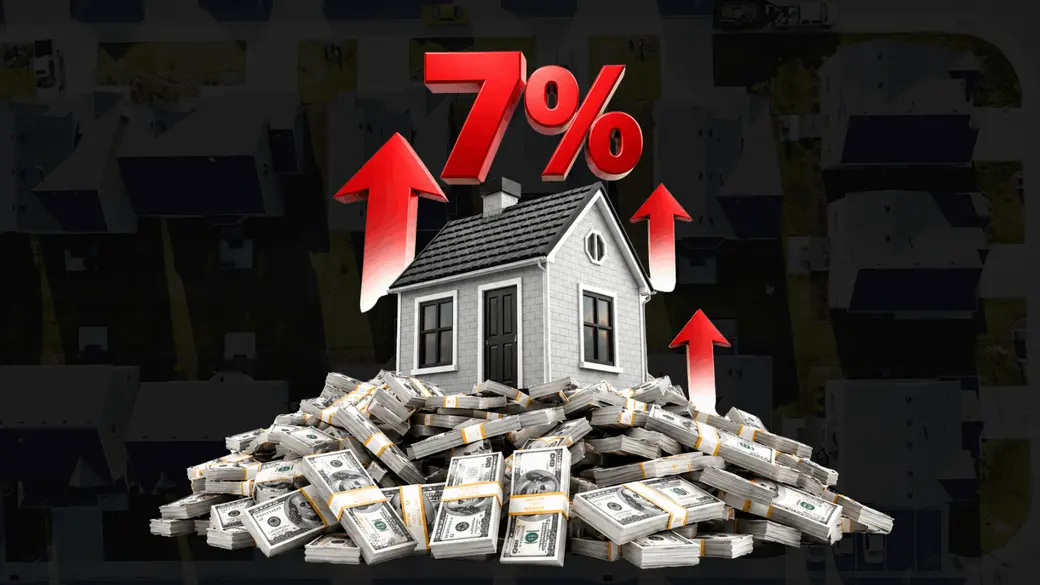
Quick Answer: The Mortgage Bankers Association (MBA) now expects the average 30-year mortgage rate to stay above 7% through the end of 2027. As of October 15, 2026, Freddie Mac reports the weekly average at 7.40% for the second week in a row, the highest level in three years. If you are waiting for rates to fall well below 7% before buying in the Inland Empire, you could be waiting until 2028 or longer. Buyers who are moving forward now are using adjustable-rate mortgages and mortgage points to bring their payments down, and they are comparing offers from several lenders before they commit.
If you have been sitting on the sidelines waiting for mortgage rates to come back down, I need to be straight with you. The latest forecast is not the news you were hoping for.
But there is good news in it too, and it comes from knowing exactly what you are working with.
The MBA is the national organization that represents the mortgage industry, and it released its newest rate forecast just days ago. Its economists expect the average 30-year mortgage rate to stay above 7% through the end of 2027. Right now, the weekly average sits at 7.40% according to Freddie Mac. It has been there for two straight weeks, and it has not been this high in three years.
So today, I am walking you through what the experts expect, how buyers here in the Inland Empire are handling these rates, and the exact questions you should ask lenders before you sign anything.
What the Experts Expect for Mortgage Rates
MBA Chief Economist Mike Fratantoni presented the forecast at the group’s annual convention in Chicago on October 11. Here is what it calls for:
- An average 30-year mortgage rate of about 7.3% from October through December 2026.
- Rates staying above 7% through the end of 2027.
Fratantoni said, “We’re going to come down from this spike in rates.” The catch is that he does not expect them to come down very far.
The MBA is not alone in this view. Fannie Mae recently raised its own forecast and now expects the 30-year rate to average 7.5% in every quarter of 2027.
Why are rates staying high? The biggest reason is inflation. Prices across the economy are still running well above the Federal Reserve’s 2% target, and higher energy costs are a big part of the problem. To fight it, the Fed raised its key interest rate last month for the first time in three years. The MBA expects two more small increases:
- One in December 2026.
- One in the first three months of 2027.
Mortgage rates also follow the 10-year Treasury yield, which is the return investors earn on 10-year government bonds. Lenders use it as a guide when they set rates. The MBA expects that yield to average 5.1% this quarter and stay near 5% through 2027.
What This Looks Like in Real Dollars Here at Home
National numbers only tell part of the story, so let me bring this home.
According to the California Association of Realtors, the median price of an existing single-family home in Riverside County was $649,000 in July. That was up about 3% from a year earlier.
Now look at what the rate jump does to the payment. On a $649,000 home with 20% down, the loan amount is $519,200.
- At last year’s rate of about 6.34%, principal and interest would run about $3,227 a month.
- At today’s rate of 7.40%, that same loan runs about $3,595 a month.
That is roughly $368 more every month, or more than $4,400 a year, for the exact same house. And that figure does not even include property taxes or homeowners insurance.
Affordability was already tight before this spike. C.A.R. reported that in the second quarter, only 25% of Inland Empire households could afford the region’s median-priced home, and buyers needed a minimum income of about $150,800 to qualify. Those numbers were calculated when rates were lower than they are today.
This is exactly why you cannot afford to guess. You need your real numbers in front of you.
How Buyers Are Adjusting to 7% Rates
Buyers who are still moving forward are not just accepting the rate they are offered. They are finding ways to lower it. MBA Deputy Chief Economist Joel Kan noted that more buyers are turning to two tools in particular. The share of applications for adjustable-rate mortgages has averaged close to 10% over the past month, and the MBA expects it to stay above 9% through 2027.
Here is how each option works:
Adjustable-rate mortgage (ARM): You get a lower rate for a set number of years. After that period ends, your rate can go up or down, which means your monthly payment could rise significantly. This can work well if you are confident you will sell or refinance before the fixed period ends. It can hurt if you are not.
Mortgage points: You pay an upfront fee at closing to buy down your rate. That lower rate stays with you for the life of the loan, but you will need more cash at closing.
The right choice depends on how long you plan to stay in the home and how much cash you have available for closing. Do not make this decision on a hunch. Have a lender run both scenarios side by side with your actual numbers.
What This Means If You Are Waiting to Buy
If the MBA’s forecast is right, waiting for rates to drop well below 7% could mean waiting until 2028 or beyond. While you wait, rent keeps going up, and prices in Riverside County are still rising, not falling.
A few other trends from the MBA’s forecast will help you plan:
- Home purchase activity is running about 9% below where it was in January.
- National home price growth has been around 2%. The MBA expects it to slow in 2027 and pick up again in 2028.
- The MBA expects builders to start fewer new homes over the course of its forecast, which means fewer new options for buyers.
Here is what that means for you. With fewer buyers in the market right now, the buyers who are prepared have more room to negotiate. That advantage will not last forever. When rates eventually ease, the buyers who have been waiting will all come back at once, and competition will return with them.
Questions to Ask When You Call Lenders
Rates and fees can vary quite a bit from one lender to the next. I strongly encourage every buyer to talk with at least two or three lenders before choosing one. Take these questions with you on every call:
- How much would it cost to buy points, and how many years would it take for the lower payment to make up for that cost?
- If I choose an ARM, how long does the starting rate last, and how high could my payment go after that?
- What rate and APR can you offer me on a 30-year fixed loan today?
- What fees are included in your Loan Estimate?
- How long can I lock my rate, and what happens if rates change before closing?
Ask every lender for a Loan Estimate. This is a standard form that spells out your rate and closing costs. Lining them up side by side is the fastest way to see which offer actually saves you money.
If you are not sure which lenders to call first, reach out to me. I can share a few trusted local options based on my own experience and on feedback from clients who have worked with them.
The Bottom Line
According to the latest forecasts, rates above 7% are likely here for at least another year. You cannot control the rate, but you can control how prepared you are. Getting your loan questions answered now gives you a clear picture of your budget before you ever step foot in a home, and that clarity is what separates buyers who win from buyers who keep waiting.
If you are thinking about buying in the Inland Empire, let’s sit down and look at your real numbers together. Call or message me today, and let’s build a plan that works at today’s rates.
Frequently Asked Questions
Will mortgage rates go down in 2027?
Not by much, according to the latest forecasts. The Mortgage Bankers Association expects the average 30-year rate to stay above 7% through the end of 2027, and Fannie Mae expects it to average about 7.5% throughout 2027.
Should I wait for rates to drop before buying a home in the Inland Empire?
If you wait for rates to fall well below 7%, you could be waiting until 2028 or later. Riverside County home prices are still rising, and fewer buyers are in the market right now, which gives prepared buyers more room to negotiate. The best move is to review your real numbers with a local agent and lender before deciding.
What is the difference between an adjustable-rate mortgage and buying points?
An adjustable-rate mortgage gives you a lower rate for a set number of years, and then the rate can go up or down. Buying points means paying an upfront fee at closing to lower your rate for the life of the loan. The right choice depends on how long you plan to stay in the home and how much cash you have for closing.
How much more does a 7.4% mortgage rate cost on a typical Riverside County home?
On a $649,000 home with 20% down, principal and interest at 7.40% runs about $3,595 a month, compared to about $3,227 at last year’s rate of about 6.34%. That is roughly $368 more per month, before property taxes and insurance.
How many lenders should I talk to before choosing one?
Talk to at least two or three lenders. Ask each one for a Loan Estimate so you can compare rates, fees, and closing costs side by side.
Categories
Recent Posts